

Are you nervous about making portraits or photographing people? We know all about nervousness and uncertainty, both from our own experience as photographers and having taught hundreds of photographers, journalists and communicators.
Nervousness and insecurity is natural and good. It tells you that something is at stake, that it matters and it makes us do our best. But the nervousness must not take over either you or your model.
With our experience in creating personal portraits, we have learned to harness nervousness and rein it in so that we create peace of mind, security and tranquility — both for the photographer and the model.
Perché as you've probably experienced, most people aren't used to being in front of a camera. It may feel unnatural and awkward and your model may be uncomfortable with how she/he is going to appear in the pictures.
So we have collected some of our best tips on how to approach your photography with more confidence and at the same time create confidence in your portrait model.
For 2 nervous people is not a good start to a successful photo shoot.

Tip 8: Show — don't tell!
If you stand behind the camera and give verbal instructions to your model, you risk creating uncertainty if they do not understand exactly what you mean. Be specific in your directions. Instead of saying “Turn your head a little,” say: “Turn your head to the window to the left and look back at the camera with your eyes.” Even better, it is to show the pose with your own body. Show exactly where they should stand, swap places with them, and demonstrate the movement. Also remember to check if the pose looks natural.
Type 9: Ros from the model
The mood in the room is your responsibility, a positive energy is contagious. Start by telling the model that they can do no wrong and that you guide them all the way. During the photo shoot, it is important to praise them — and preferably loudly! A “Wow, cool that!” can work wonders and give your model confidence. Do not overdo it, but use praise in those stages of photography where you want high energy and strong contact. La rosa viene mano con la fase in fotografia, dove funciamo con alta energetica nel spazio di connessione e presenza.
Tip 10: Make the model forget that they are being photographed
Instruktion is the main tool of the portrait photographer, both to create authentic expressions and to make the model forget about her nervousness. When you guide them through scenes, moods and performances, they will often completely forget that they are being photographed. This is where you get the most natural and presentable images.
Tip 11: Spend time with the model — before you take the camera in hand
You may feel that you need to hurry “to get something in the box”, especially if you do not have much time with the person you are photographing. If you seem stressed, it spills directly onto the model, and you risk intensifying a tense mood. Whether you have 15 minutes or an hour, spend time sitting down with the model before grabbing the camera. Chat, create presence and let them get used to the intimacy of a portrait photo shoot. Tiden du i,. La hora que spenda antes de la photo shoot se volta más tipos quando presar el button.
Tip # 12: Handshakes and body language
The way you meet your model sets the tone for the entire photo shoot. Start with a firm handshake and a friendly, direct eye contact.
As humans, we mirror each other's body language, so make sure to stand relaxed, move with calm, and speak clearly. If, on the other hand, you stand with crossed arms and look down, it will negatively affect the model. When you take ownership of the stage and the space, it infects both your own confidence and the model's reassurance.
Tip 13: Give people something by hand
A simple but effective trick for nervous models is to give them something to hold in their hands. A stress ball, a watch, a piece of jewelry or a picture can give them a natural movement and distract them from the camera. It can also be a good conversation starter if you ask them to tell about their relationship to the object.
Tip 14: Take a Time Out
Breaks are important in a successful photo shoot - both for you and your model. Ofereciamo un passo, offre mi acqua, caffè o un snack, ma anche utilizzare l'intero.
Takes 2 or 5 minutes to yourself, during which you evaluate briefly how the session is going. Go through your notes and cheat sheet. It's a misconception that a photographer has to be “on” all the time. A few minutes of reflection can do wonders for the rest of the session.
Tip 15: Evaluation and reflection
Equally important as preparation is reflection, which becomes part of the preparation for the next photo shoot. After each photo shoot, you should take five minutes to reflect and write down: What went well? What could be better? What will I do differently next time? What should I do more of? Write down your thoughts while they are still fresh.
Reflection on your own efforts is of fundamental importance to your development and you will be amazed at how much difference exercise can make. It quickly develops your assertiveness and reduces nervousness, because you become aware of your strengths and weaknesses. When you consciously do something to improve, you become more calm and confident, even in pressured situations.


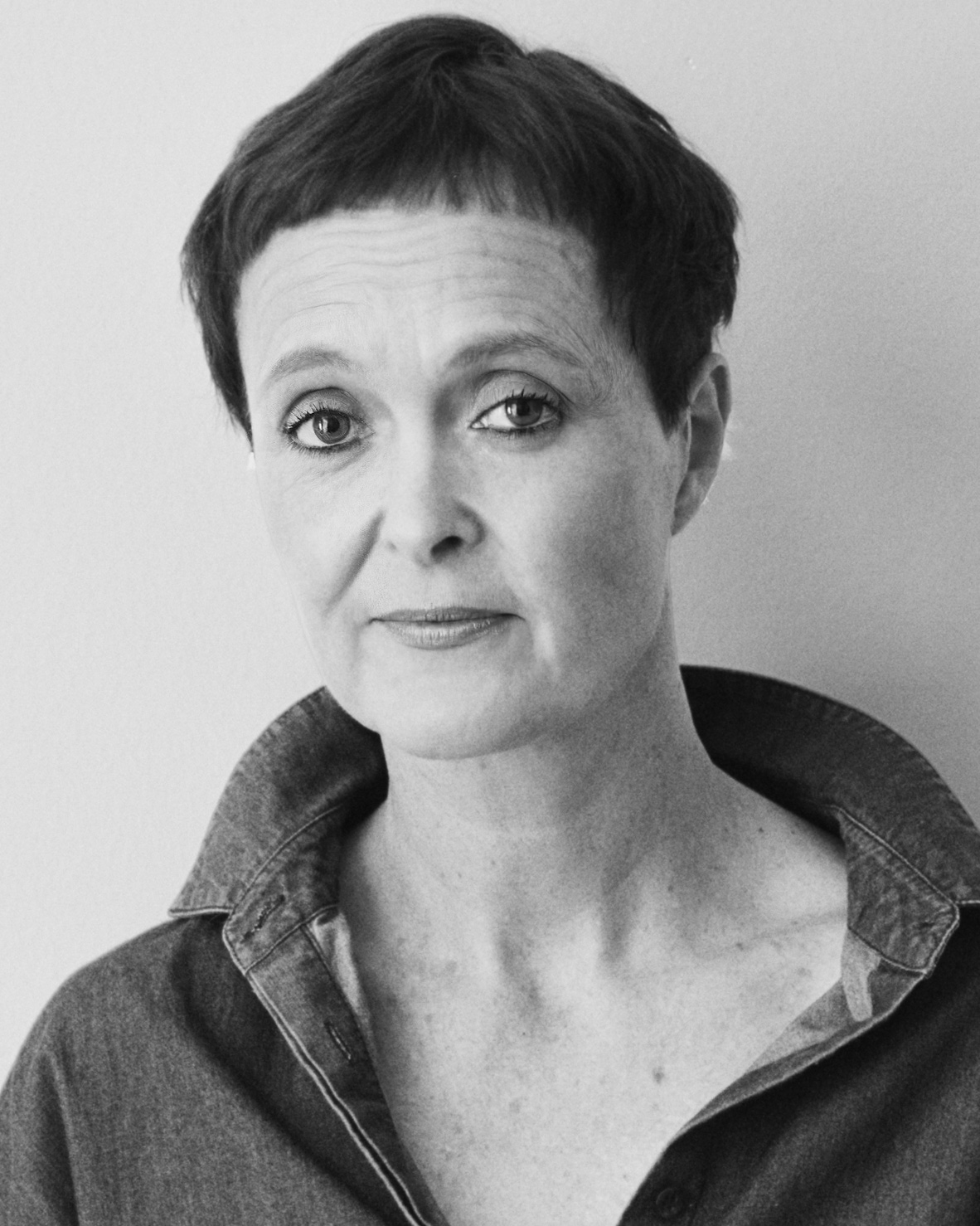
I’m a visual artist and photographer, and over the past 20 years I’ve created a number of significant nationwide exhibitions and book publications — most recently the exhibitions I’m Here Now and The Rootless – We Who Remain.
I also work with communicating and teaching art and photography through workshops and talks, and I’ve helped hundreds of professional, independent and emerging photographers define their photographic language and make their images truly stand out.
I trained under Rigmor Mydtskov, Photographer to Her Majesty the Queen of Denmark, as well as at Fatamorgana – The Danish School of Art Photography, and the European Film College.
If you have any questions, you’re welcome to contact me at
or by phone on +45 26 84 40 43.
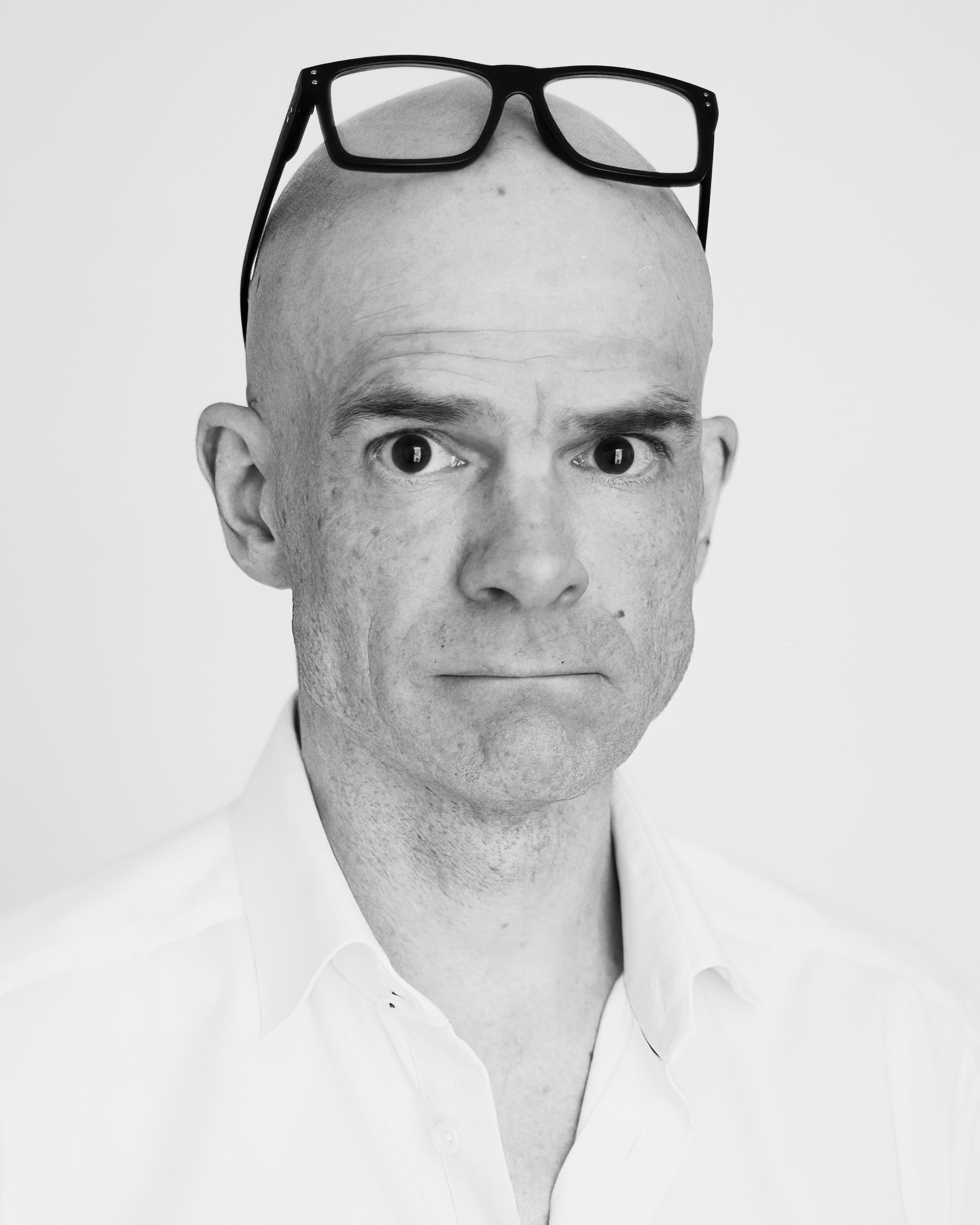
I’m a photographer and image retoucher, and an Adobe Certified Expert in Photoshop. I trained as a photojournalist and have worked as a photographer for more than 20 years for magazines, publishers and companies.
Alongside this, I have specialised in post-production and portrait retouching, as well as finishing fine art prints for museums and exhibitions. I also work on my own artistic projects.
Over the years, I’ve taught at institutions including Fatamorgana – The Danish School of Art Photography, and the Photography Programme under KTS/Next.
If you have any questions, you’re welcome to contact me at michael@theilgaardacademy.com or by phone on +45 31 79 94 79.


