

Are you passionate about portrait photography and model photography?
Are you a photographer and love to capture portraits of people? Whether you are a beginner or experienced, portrait photography is a discipline that requires both technical knowledge and creative flair. At Theilgaard Academy, we have been working for almost 30 years to create professional visual stories about people through reportage photography, portraits and personal photo projects.
Portrait photography for all levels
We started teaching photography many years ago, and we have since set up Theilgaard Academy, where we offer courses and workshops for both beginners and experienced photographers. Our goal is to share the extensive knowledge and experience we have built up to help you become a more skilled portrait photographer.
Training and practice make master
Becoming a skilled portrait photographer requires both practical experience and theoretical knowledge, and that's something you can't just learn by watching videos on YouTube. It takes dedication, practice and the right guidance. At Theilgaard Academy we offer courses and continuing education for photographers of all levels, so you can get the inspiration and tools you need to take your portrait photos to the next level.
Become a better photographer with professional training
Whether you are a happy amateur or a professional photographer, it's always good to get new tips and tricks from the pros. In our courses and workshops you will learn not only the technical aspects of portrait photography, but also how to develop your own style and find your personal approach to photography.

Tip # 1:
Preparation and Expectation Reconciliation
Successful portrait photography starts with thorough preparation. One of the most common mistakes that many make is not making clear and precise agreements with their model. To ensure a good photo session, you need to properly prepare and master the following:
Agree on the use of the images: It is important to reconcile this in advance to ensure that both you and the model are on the same page.
Timeframe: When will the photo shoot take place and how long will it last?
What to bring?: Make sure your model knows what to bring, such as clothes, shoes and any props.
confirmatory: Make clear appointments and get confirmation by mail. Remember to check both the day before and on the day itself that the model is ready and no changes have occurred.
It's a good idea to have a checklist and a detailed plan that can help you keep track of everything. Even if you have experience as a photographer, it is still important to pay attention to the details.
Tip # 2:
Use your time right
Photography isn't just about taking pictures -- it's about using your time efficiently. Whether you have 15 minutes or 2 hours for a photo session, it is important to optimize your time with the model. Here are a few tips:
Plan and prepare in advance: Prepare everything you can before the model arrives. This can include choosing a location, preparing equipment, and even using apps like Google Maps to determine the position of the sun.
Use your time with the model effectively: Once you're at it, it's important to spend time with the model right. Give yourself time to think, communicate and make the model relax. Often it can be better to spend time building a good relationship and creating the right mood than just shooting pictures quickly.
Shoot slowly, but be precise: It is often better to take the time and shoot fewer pictures, but with higher quality, than to rush through a session. Remember to have ice in your stomach and be patient — it can make a big difference in the final result.
Tip # 3
Avoid showing photos on the go — Why you should never show raw files during a photo shoot
As a portrait photographer, it is important to avoid showing images during the process. Many models don't have the ability to realistically assess raw files on the back of your camera, and this can interfere with both your workflow and your creative flow. In short, nothing good will ever come of showing unprocessed images during the photo shoot. Stay focused on capturing the right image rather than letting yourself be diverted by imperfect shots. It is best to wait until after the session, when you have the opportunity to edit and present the finished result.
Tip # 4
Choose the right focal length
The choice of focal length for your portrait photography is all about perspective and not just distance. For portraits, it is often best to use a short telephoto lens, as the compressed perspective gives a natural and flattering expression. Longer focal lengths can draw the background closer to the model, which can create a disruptive effect even when the background is blurred. Pay attention to choosing the right focal length that complements both your model and the desired look.
Tip # 5
Take pictures with your eyes, not just with your camera
An important skill you need to master as a portrait photographer is to trust your own eyes rather than the camera. For many photographers, it can be tempting to “chimp” -- or constantly glance at the images on the camera's screen -- but this can be a hindrance to getting the best shots. You should be able to assess how your model looks, how the light falls, and how the model is positioned, using your eyes rather than relying on the camera's display.
When using flash, align the light with the pilot light and assess the result with your eyes. If you cannot assess how the picture will be with your own senses, the camera will not be able to help you. Using your eyes allows you to focus on the creative aspect of photography, which helps you become a better photographer.
Tip # 6
Take care of your shot height
Shot height is one of the most important factors that define the expression in your portraits. Your shot height relative to the model's eye level has a direct impact on how the model appears in the photo. To achieve a neutral expression, the axis of the camera must be at eye level with the model. Shooting from the bottom up may make the model appear lofty or arrogant, while a top-down shot may make the model appear inferior or weaker.
It is important to think about the three basic positions of shot height, which must always be considered in relation to the desired expression. Always bring a stool or box to adjust the shot height as needed. Also, be careful to avoid shooting up too much under the model's chin, as this can distort the expression.
Tip # 7
Take care of the background
One of the biggest mistakes you can make as a portrait photographer is to ignore the background. Bad backgrounds can quickly ruin an otherwise great picture. Whether you're shooting in studio, on location or doing reportage, it's essential to take the time to choose the right background. In portraits in environments, we often spend more time finding the perfect background than the photography itself.
When choosing a background, you need to consider whether it should be an integral part of the image or an unobtrusive part that does not steal attention. The background can either actively complement your subject, or it can remain in the background without attracting attention. Small hints of time, place and mood may be enough.
Pay special attention to elements such as window sills, lines behind the head of the model and bright areas that can attract too much attention. If you want to minimize background distraction, you can opt for a medium wide-angle lens, such as a 28mm or 35mm, that “pushes” the background back and makes it less noticeable. Alternatively, a short telephoto lens can be used to isolate the subject and blur the background. You can also work with light and shadow to create focus around your model and minimize background attention.
Read Part 2 here >
.jpg)


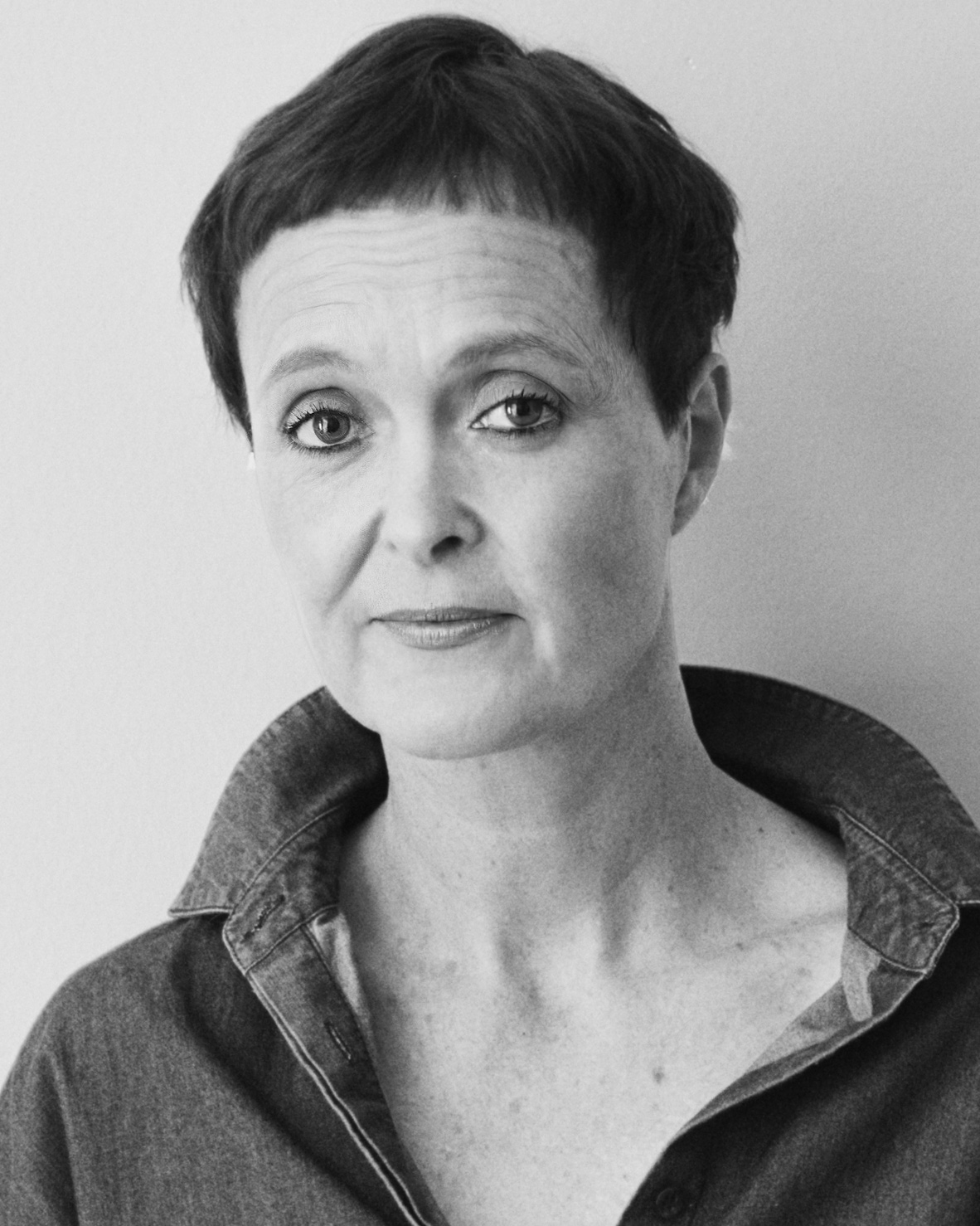
I’m a visual artist and photographer, and over the past 20 years I’ve created a number of significant nationwide exhibitions and book publications — most recently the exhibitions I’m Here Now and The Rootless – We Who Remain.
I also work with communicating and teaching art and photography through workshops and talks, and I’ve helped hundreds of professional, independent and emerging photographers define their photographic language and make their images truly stand out.
I trained under Rigmor Mydtskov, Photographer to Her Majesty the Queen of Denmark, as well as at Fatamorgana – The Danish School of Art Photography, and the European Film College.
If you have any questions, you’re welcome to contact me at
or by phone on +45 26 84 40 43.
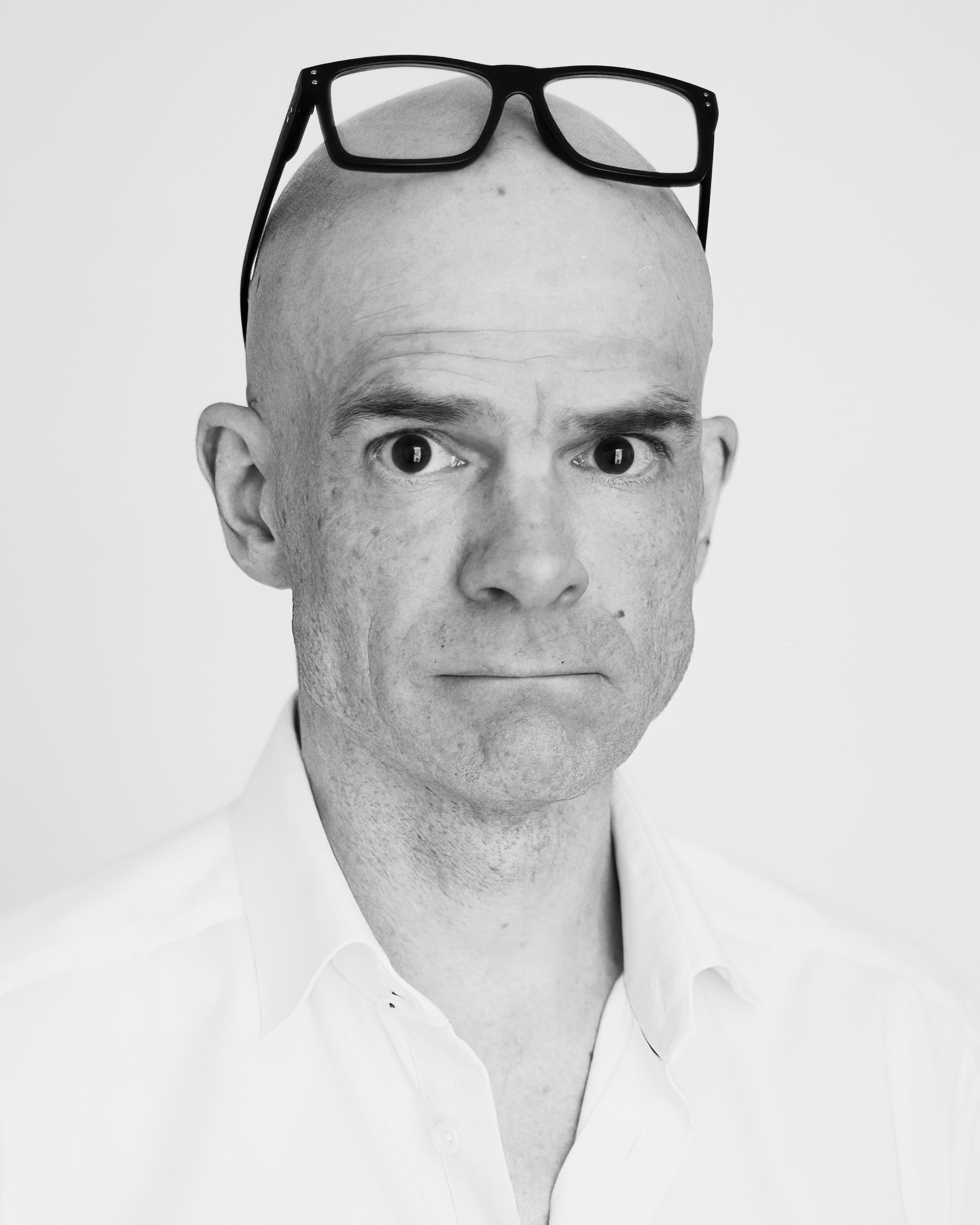
I’m a photographer and image retoucher, and an Adobe Certified Expert in Photoshop. I trained as a photojournalist and have worked as a photographer for more than 20 years for magazines, publishers and companies.
Alongside this, I have specialised in post-production and portrait retouching, as well as finishing fine art prints for museums and exhibitions. I also work on my own artistic projects.
Over the years, I’ve taught at institutions including Fatamorgana – The Danish School of Art Photography, and the Photography Programme under KTS/Next.
If you have any questions, you’re welcome to contact me at michael@theilgaardacademy.com or by phone on +45 31 79 94 79.


