

Are you nervous when you have to do portraits or just photograph people? We know all about nervousness and uncertainty, both from our own experience as professional photographers and having taught hundreds of photographers, journalists and communicators.
Nervousness and uncertainty are natural and good, because it tells you that something is at stake, that it matters and it makes us do our best. But the nervousness must not take over either you or your model.
With our long experience in creating personal portraits, we have learned to harness nervousness and rein it in, creating peace, security and tranquility — both for the photographer and the model.
Because as you've probably experienced, most people aren't used to being in front of a camera. It may feel awkward and unnatural and your model may be uncomfortable with how she or he will now appear in the finished photos.
So here are a few of our best tips on how to approach your photography with more confidence and at the same time create confidence in your portrait model.
For 2 nervous people is not a good start to a successful photo shoot.

Tip 1: Prepare thoroughly before shooting — also mentally
Good preparation is the key to successful portrait photography. Make sure all equipment is ready before your model arrives:
Check camera, batteries, memory card or film ---- everything must be tested and prepared.
Give yourself five minutes before the photo shoot ---- sit in the room, relax and visualize the progress.
Imagine the perfect session ---- imagine that you create amazing images and that the model goes happy from there.
Tip 2: Always keep your cheatsheet in your back pocket
Even simple photo shoots require structure. Write down your most important notes on paper or in a notebook:
Points to remember ---- What should you remember along the way? These can be important techniques or ideas for the session.
Timetable ---- A brief outline of how to allocate the time you have available.
Posing and lighting setup ---- what you want to try out.
It may never come into use, but it gives tremendous peace of mind to know that you have a plan if you get stuck.
Tip 3: Don't be late
It seems obvious, but as a photographer you can't allow yourself to be late. Make sure that:
Meet in good time ---- Always arrive a little earlier so you have time to get ready.
Check equipment and lights - before the shooting starts.
Create a calm start for the model ---- everyone gets insecure and nervous if it all happens at the last minute.
If you have a hard time keeping up with times, that's something you need to actively work on.
Tip 4: Expectation tuning
One of the major pitfalls that create unnecessary frustrations and bad experiences is the lack of expectation matching Both in relation to yourself and the person being photographed. Be sure to reconcile all aspects of photography
Time consumption ---- be honest about how long the session takes. It's no use that you say it only takes a quarter of an hour when you know it takes an hour.
Clothing, makeup and styling ---- give precise guidelines.
Purpose of the images ---- Remember to talk about need, not product. Talk to the model or customer about what the image will be used for. It's your job to translate it into the right kind of images.
Finances and delivery ---- Make sure you have precise delivery agreements that all parties agree to in writing.
Tip 5: You need to be empathetic and open — but also professional
Security is created in two ways:
1. By being professional and showing that you have mastered the technique.
2. By being empathetic, listening and appreciative.
Many photographers fall into one of two traps: Either they become too controlling and hide behind the camera, or they listen so much that they lose leadership. You need to be able to balance both roles — be both accommodating and the professional who sets the stage and creates results. Only in this way will you create true security and confidence so that your model will follow you.
Tip 6: Keep track of time
Mastering time management is essential for a successful photo shoot. For example, if you have 45 minutes, estimate in advance how much time you will spend on the different stages and make a schedule.
Think about the things that can happen during the photo shoot. You guys need to talk, there needs to be time to get in and out the door and finish photography. There may also be unforeseen things, such as a toilet visit or having to change the light setting along the way. Getting used to thinking about how time is spent is one of the most important ways to get better photos. Time optimism and time blindness are one of the most dangerous pitfalls for both experienced and inexperienced photographers and at the same time an easy thing to get to grips with.
By structuring your time, you create a relaxed atmosphere and avoid stressful, hasty decisions.
Tip 7: The psychogeography
The spaces we are in affect our emotions enormously. The space, the light, the temperature — everything around us can make us feel comfortable for fashion, safe and relaxed. Or stressed, insecure and nervous. And everything in between. Therefore, it is extremely important that you think about the mood you set, whether you are receiving people in your own portrait studio or doing work on location.
With simple grips and small means, you can tweak the mood with lights, furniture, carpets. Use music. Make sure there is fresh good coffee and cold water ready and think about how you and your model and any others present will move around and use the space. For example, make sure that there is room for personal belongings and a place to put your clothes, and that the place where you sit and talk is somewhere different from where the photo shoot is supposed to take place.
Read Part 2 here >


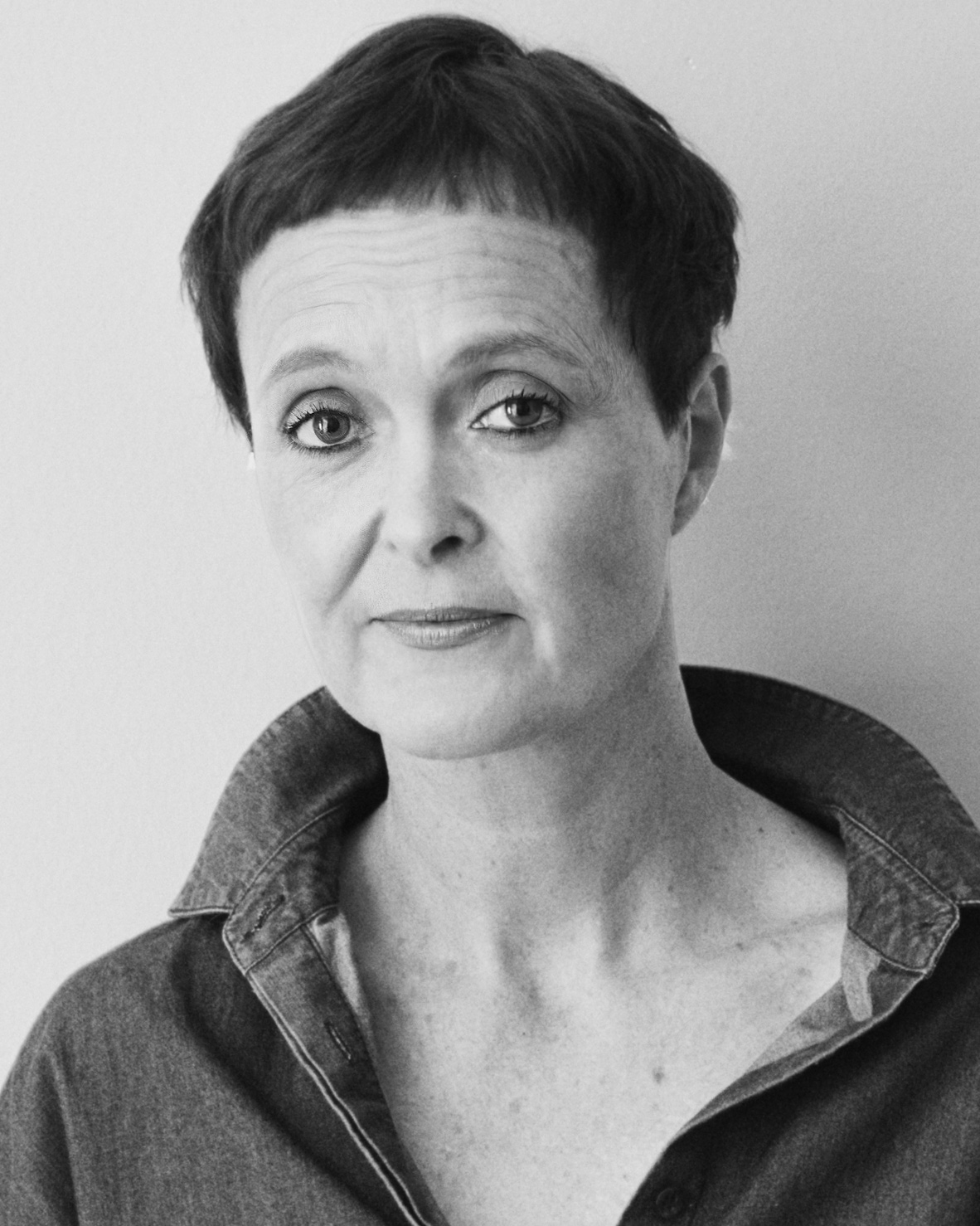
I’m a visual artist and photographer, and over the past 20 years I’ve created a number of significant nationwide exhibitions and book publications — most recently the exhibitions I’m Here Now and The Rootless – We Who Remain.
I also work with communicating and teaching art and photography through workshops and talks, and I’ve helped hundreds of professional, independent and emerging photographers define their photographic language and make their images truly stand out.
I trained under Rigmor Mydtskov, Photographer to Her Majesty the Queen of Denmark, as well as at Fatamorgana – The Danish School of Art Photography, and the European Film College.
If you have any questions, you’re welcome to contact me at
or by phone on +45 26 84 40 43.
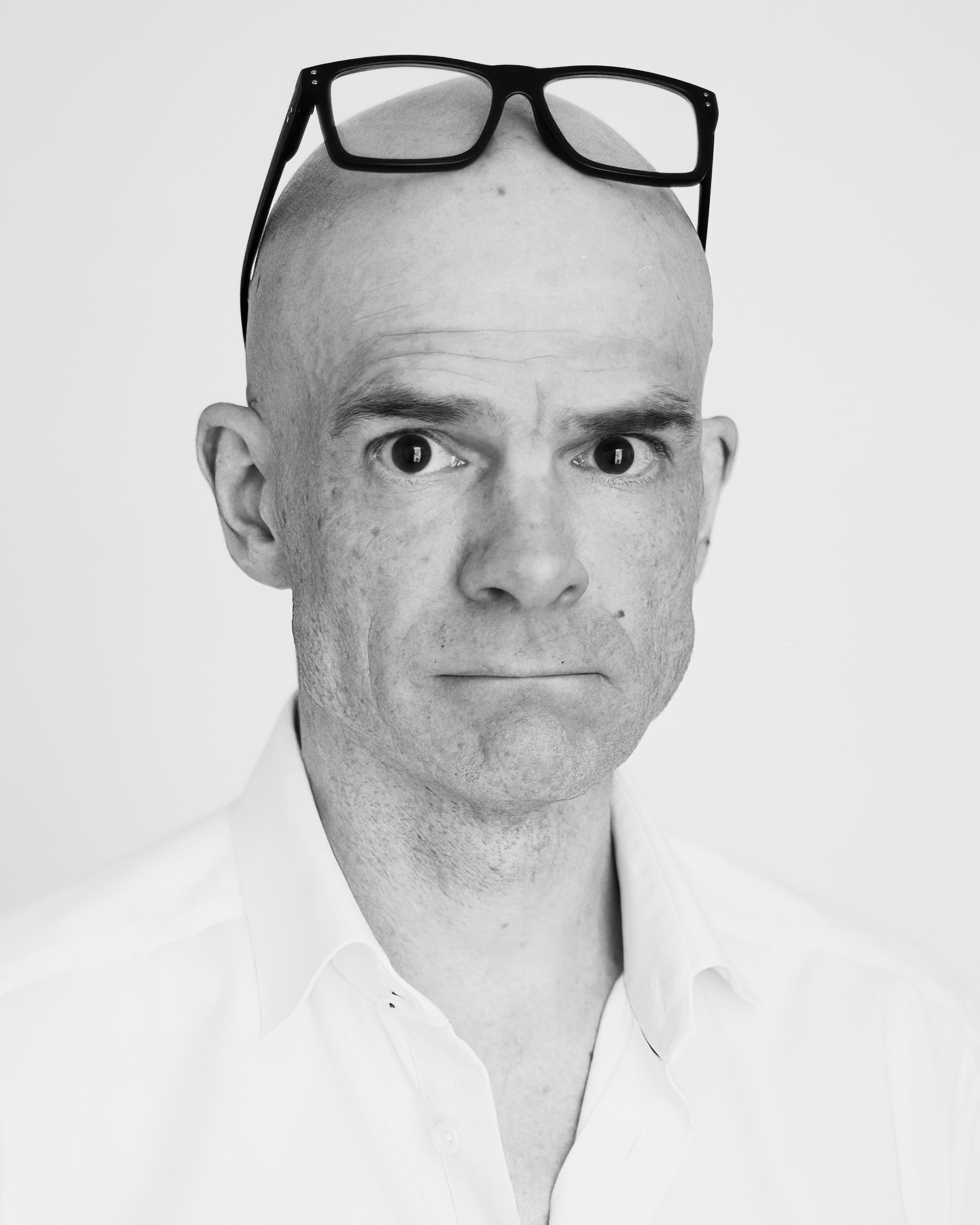
I’m a photographer and image retoucher, and an Adobe Certified Expert in Photoshop. I trained as a photojournalist and have worked as a photographer for more than 20 years for magazines, publishers and companies.
Alongside this, I have specialised in post-production and portrait retouching, as well as finishing fine art prints for museums and exhibitions. I also work on my own artistic projects.
Over the years, I’ve taught at institutions including Fatamorgana – The Danish School of Art Photography, and the Photography Programme under KTS/Next.
If you have any questions, you’re welcome to contact me at michael@theilgaardacademy.com or by phone on +45 31 79 94 79.


