

Are you passionate about portrait photography and model photography?
Are you a photographer and love to capture portraits of people? Whether you are a beginner or experienced, portrait photography is a discipline that requires both technical knowledge and creative flair. At Theilgaard Academy, we have been working for almost 30 years to create professional visual stories about people through reportage photography, portraits and personal photo projects.
Portrait photography for all levels
We started teaching photography many years ago, and we have since set up Theilgaard Academy, where we offer courses and workshops for both beginners and experienced photographers. Our goal is to share the extensive knowledge and experience we have built up to help you become a more skilled portrait photographer.
Training and practice make master
Becoming a skilled portrait photographer requires both practical experience and theoretical knowledge, and that's something you can't just learn by watching videos on YouTube. It takes dedication, practice and the right guidance. At Theilgaard Academy we offer courses and continuing education for photographers of all levels, so you can get the inspiration and tools you need to take your portrait photos to the next level.
Become a better photographer with professional training
Whether you are a happy amateur or a professional photographer, it's always good to get new tips and tricks from the pros. In our courses and workshops you will learn not only the technical aspects of portrait photography, but also how to develop your own style and find your personal approach to photography.

Tip # 8
Use tripod
Although it is no longer so fashionable to use tripods, it still has many advantages, especially when shooting in a photo studio. If you have the option of using a column stand that can easily adjust the height, it gives you the freedom to get accurate and stable shots. One advantage of using tripods is that it forces you to choose the right shoot height and focuses your attention on getting the perfect shots. When using a tripod, you don't have to run around with the camera and position it randomly. It gives you peace and excess, allowing you to concentrate on interacting with your model and creating the right mood.
When working with tripods, remember that you still need to photograph with your eyes, not the camera. Make sure lighting, positioning, scenography and person instructions are in place before taking the picture. Only when everything goes up in a higher unit is it time to press the trigger. But when you need to work more dynamically and freely, you can always take the camera off the tripod and move around.
Tip # 9
Work with different energies — Create dynamism in portrait photography
When you photograph with the same energy all the time, you get the same pictures. This applies to all photography. A classic mistake is that you stand almost still during the entire photo session, constantly shooting and talking to the model. Portrait photography is a dance, an exchange of energy between photographer and model. You are as important a part of the scene and the system you create as your portrait model. Be quiet, shout loudly, move, be physical with your model. Use yourself and mirror the energy of the model. Try different things and see what happens.
Tip # 10
Always use pilot lights or setting lights — How to get control of the light
An essential part of portrait photography is being able to control the light. Therefore, we always recommend using a studio flash with pilot light or model light when working with portraits. It is almost impossible to set the light correctly without being able to see what is happening in real time. After working with setting lights for many years, you reach a point where you can intuitively anticipate how the light will affect your model and scene. Even the cheapest flash with pilot lights will be far more efficient than a modern speedlight that doesn't give you the same control over the light.
Tip # 11
Be careful with clothes, jewelry and glasses
Choosing the right attire for your portrait model can be a challenge. You need to strike a balance between avoiding that the clothes “noise” too much in the image, while maintaining the personal style of the model. It's about decoding what are the “stems” of the model and building a look that both complements the person and fits the whole image. Make sure the model brings multiple outfits, and be very specific in your tutoring -- a simple black shirt can vary greatly depending on details like fabric and cut.
When working with portraits, where you get closer to the face, jewelry and patterns will play a greater role in the overall impression of the image. A good rule of thumb is that you can allow yourself to experiment with wilder compositions of clothing, jewelry, and body when doing full-figure or semi-total portraits, but be careful to maintain a natural balance.
Tip # 12
People look like they have it
The great secret of good portraits is that people look the way they have it. Therefore, the person instruction is essential in portrait photography. If you ask people to look a certain way, it often becomes inauthentic and distanced. The only way to get an authentic expression is to make the portrait model feel what you want to show in the image.
In order to create true emotion and expression in the portrait, we deliberately work to lead the model in and out of different emotional spaces and states. We use the three basic spaces of person instruction: the communication room, the foresight room and the cognition room. Person instruction may seem simple, but it is a complicated craft that requires years of practice to master. Helga Theilgaard is one of the few photographers in the world who has developed a sophisticated system for person instruction, and her method is central to our teaching at Theilgaard Academy.
Tip # 13
You are the expert — Be confident in your role as a photographer
When working as a portrait photographer, it is important to remember that you are the expert. Your customer may have an opinion, but in the end it is you who knows what it takes to create the best image. It's about understanding what the image should be capable of and what values and moods you need to communicate. You need to have this dialogue with your portrait model before shooting starts — and this is where you define the purpose of the image.
If your model has very specific ideas about how the photo shoot should go, of course you should engage in dialogue with them. It's your job to explain why certain ideas might work and others might not. In the same way that a surgeon knows what needs to be done to operate on a bad knee, it is you as a photographer who has the solution when it comes to capturing the right image.
Tip # 14
Don't focus on results
One of the most important lessons in portrait photography is that you can't make good pictures -- you can only make good processes. This means that you should not overfocus on the finished result while shooting. Instead, focus on having good methods and following well-executed processes. When you do, the good pictures will come by themselves.
This is also how you develop as a photographer. You don't get better by trying to create certain images. Instead, you should explore new ways of working. Try a different camera, a different format, or set some “dogma rules” for yourself and see what happens when you follow them for a period of time. Give yourself small, circumscribed tasks and solve them as best you can, but forget that you need to make “good pictures”. Paradoxically, it is often your own eagerness to get results and be a “skilled photographer” that strains your development. To get better as a photographer, you need to get out of your comfort zone, challenge yourself and see what happens.
I guarantee you will be pleasantly surprised.
.jpg)


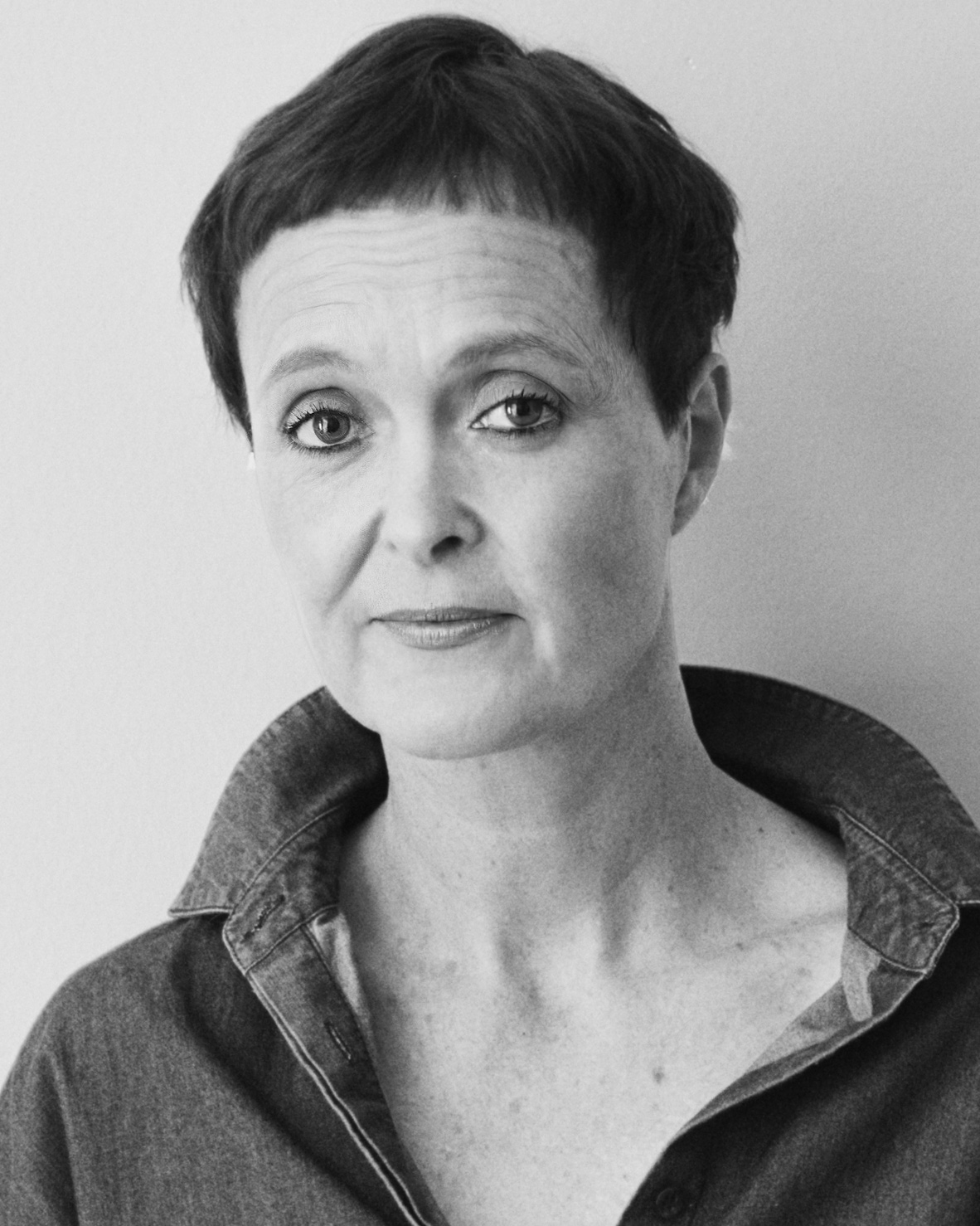
I’m a visual artist and photographer, and over the past 20 years I’ve created a number of significant nationwide exhibitions and book publications — most recently the exhibitions I’m Here Now and The Rootless – We Who Remain.
I also work with communicating and teaching art and photography through workshops and talks, and I’ve helped hundreds of professional, independent and emerging photographers define their photographic language and make their images truly stand out.
I trained under Rigmor Mydtskov, Photographer to Her Majesty the Queen of Denmark, as well as at Fatamorgana – The Danish School of Art Photography, and the European Film College.
If you have any questions, you’re welcome to contact me at
or by phone on +45 26 84 40 43.
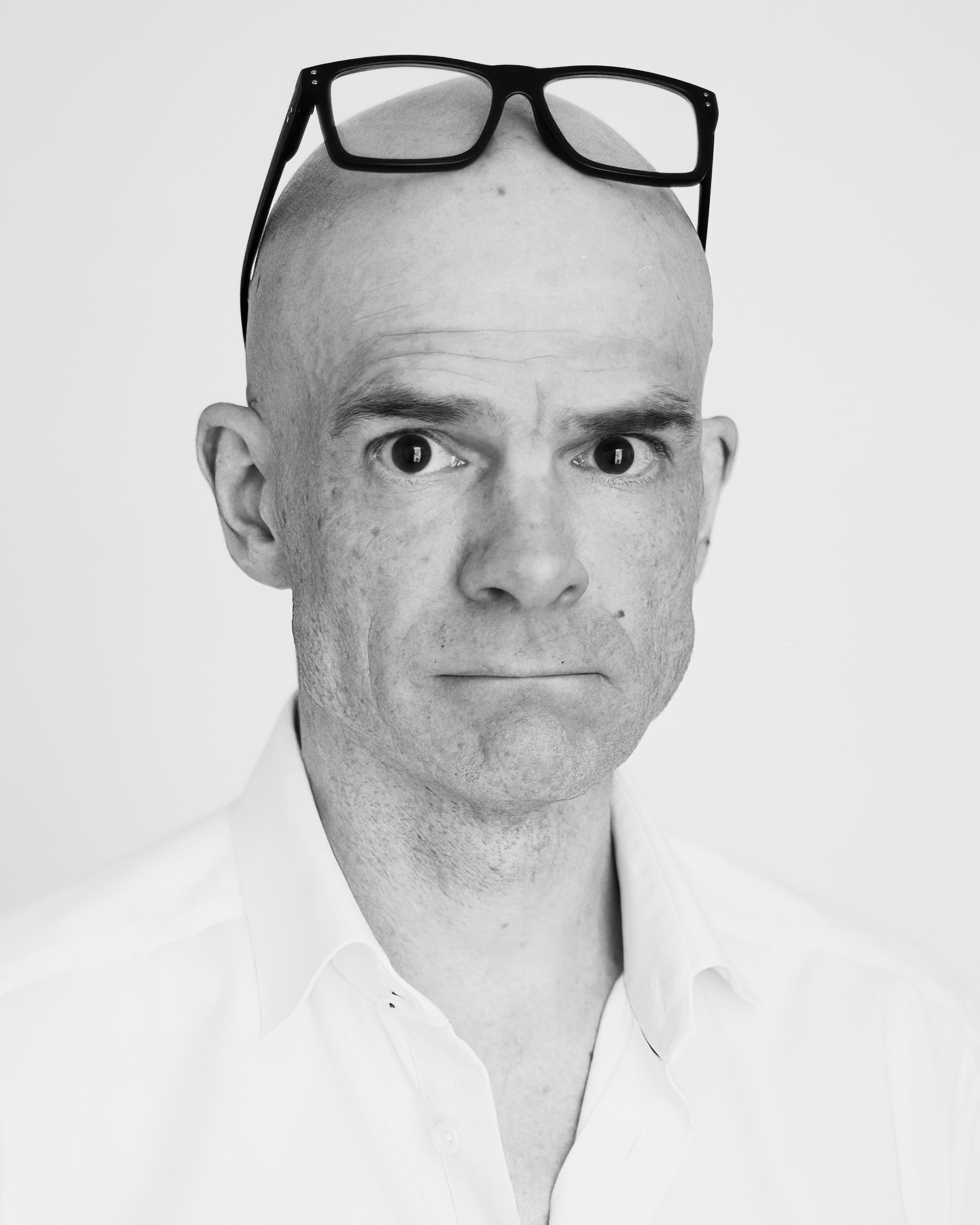
I’m a photographer and image retoucher, and an Adobe Certified Expert in Photoshop. I trained as a photojournalist and have worked as a photographer for more than 20 years for magazines, publishers and companies.
Alongside this, I have specialised in post-production and portrait retouching, as well as finishing fine art prints for museums and exhibitions. I also work on my own artistic projects.
Over the years, I’ve taught at institutions including Fatamorgana – The Danish School of Art Photography, and the Photography Programme under KTS/Next.
If you have any questions, you’re welcome to contact me at michael@theilgaardacademy.com or by phone on +45 31 79 94 79.


